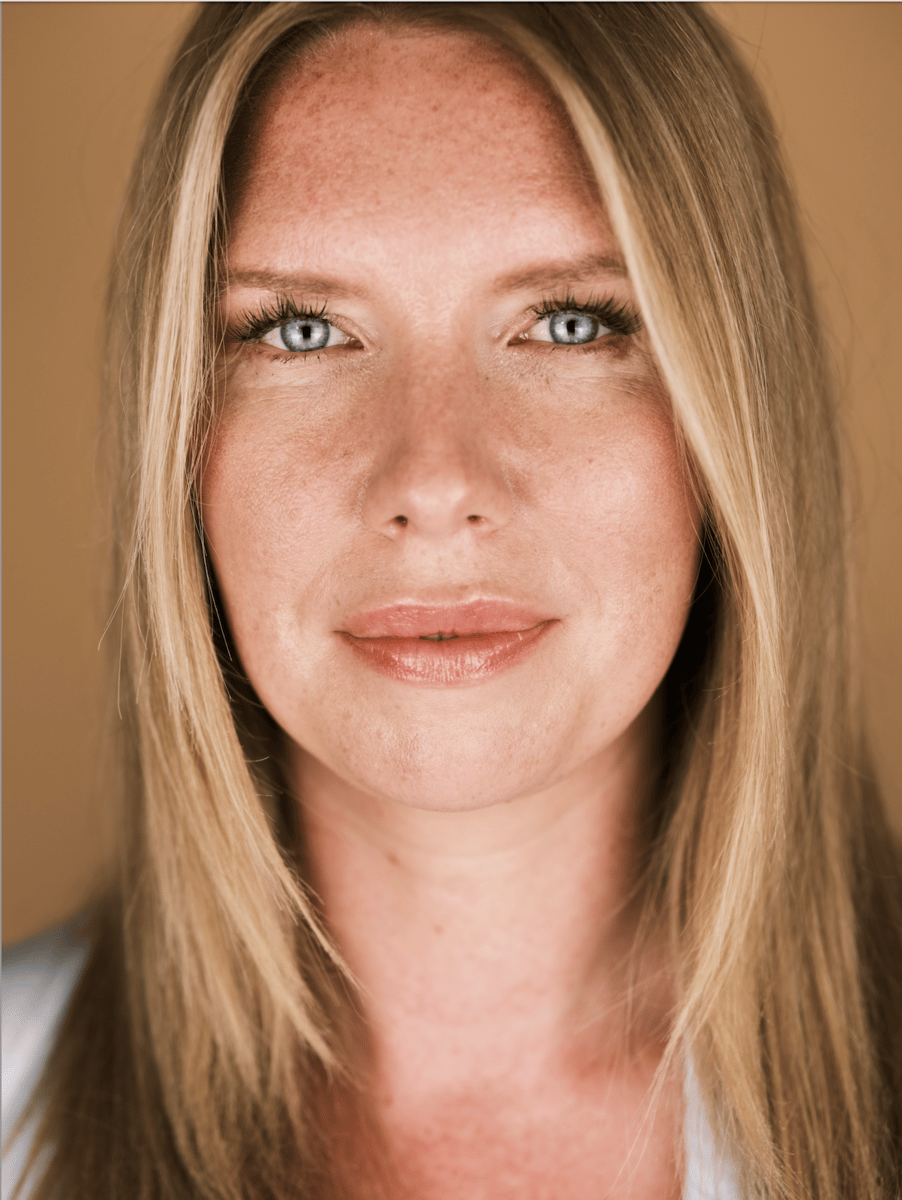
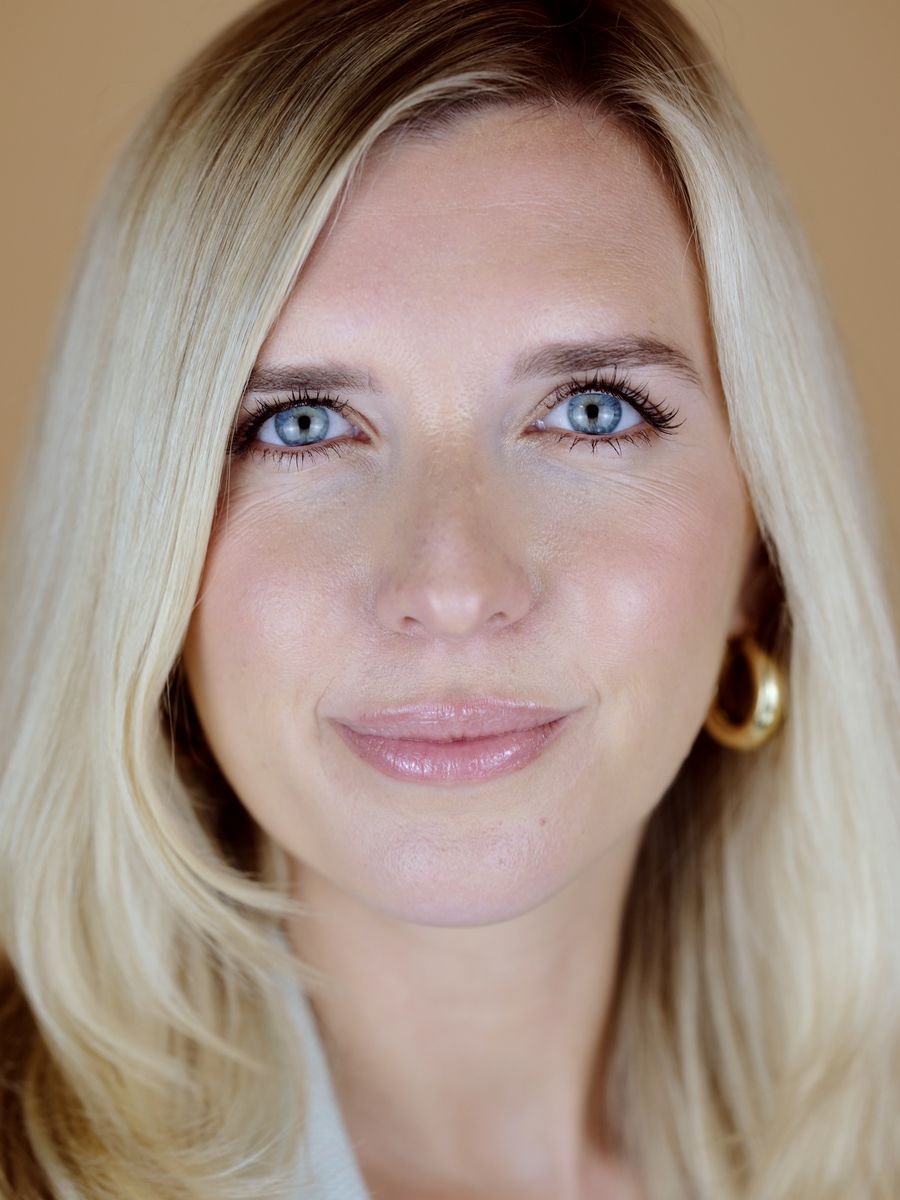

In Tuesday’s newsletter, we revealed the words that we think will define the creator economy in 2026. Jasmine’s word is control. Kaya’s is focus. If these sound similar to you, that’s because they are! (We promise that wasn’t intentional.)
Last year was an incredibly turbulent one, with lots of uncertainty stemming from the economy, politics, the rise of AI and the whiplash over TikTok’s future. Creators, business leaders and consumers were often stuck at a standstill, unable to plan ahead and feeling as if they had little control over their businesses or livelihoods.
Creators also grappled with the growing power of AI-driven algorithms. Many found themselves playing to the algorithm, rather than making the content they wanted to create, in order to break through. They also struggled with the growing realization that their followers might never even see the content they post.
Consumers felt constrained and gaslit by the economic and political volatility, all while being bombarded with more content, mostly video and a lot of it generated by AI. Social media—and even influencer—fatigue was real.
In 2026, creators, consumers and business leaders will aim to take more control over their digital lives and businesses. They’ll all try to exert more power over everything from the content they consume to how they make—and spend—their money, as well as where they dedicate their energy and resources. Minimizing distractions will be key.
We’re already seeing signs of this in action: In December, Instagram launched “Your Algorithm,” which allows users to pick and choose topics they want to see more or less of. Top creators are bringing on CEOs to provide stability and help build their businesses beyond social media, while brands are demanding more transparency and control over how they spend their influencer marketing budgets. Another wave of journalists has gone independent (Hi Scalable!)—sometimes through partnerships with another company—to build something on their own.
The success of many of these efforts remains to be seen. But one thing is clear: Being in control in 2026 will require focus.
The economy is still shaky, meaning that money isn’t freely flowing into the creator economy. Ads and brand sponsorships remain the top revenue streams for creators, accounting for 43% of US creators’ monthly income, per a November report from the Consumer Technology Association. These are both notoriously unpredictable as they are subject to broader macro economic trends like tariffs, as well as changing priorities of brands and platforms.
AI-generated content isn’t going anywhere and the competition for attention and revenue will only heighten. And as the creator economy continues to both expand and fragment, there will be more opportunities, but also more pressure to be unique and strategic.
Creators, brands and platforms will all need to hone in on their key priorities and focus on what will make them stand out and succeed. They may also need to redefine what success is, as go-to measures like follower counts don’t matter as much as they used to.
We’re already seeing that energy across the creator economy, including with Instagram calling US employees back to the office 5 days a week and asking them to cut down on meetings. And some creators are reassessing their own businesses: Creator Shelby Church recently decided to end her podcast “Step by Step” after questioning whether the effort was worth her time and realizing her audience wanted different content from her. The Try Guys made a similar move.
In our latest podcast episode, we dove deeper into all this, as well as our predictions for this year. They include the explosion of microdramas, the first creator IPO and specific social media product launches we think will happen.
Watch below or on Spotify—or listen wherever else you get your podcasts!
Scalable’s First Live Podcast Recording
Next week, we’re jetting off to Dubai for the fourth annual 1 Billion Followers Summit, joining other speakers including MrBeast, David Dobrik and Twitch CEO Dan Clancy.
We’ll be recording our first live podcast on stage! We’ll break down the biggest stories in the creator economy across platforms, brands and creators—and what it all means for what’s next. We’ll have a special focus on the Middle East, which is quickly becoming a major hub for the creator economy.
Kaya will also take part in a roundtable with other independent journalists to discuss the future of media. She’ll moderate a third session focused on how AI studios may shape the next era of entertainment.
Jasmine will host a fireside chat with Paul Wood, better known as Woody from the YouTube duo Woody & Kleiny. They’ll discuss whether emotion trumps analytics when it comes to virality and long-term sustainability for creator content. She’ll also moderate a panel discussion with industry leaders on how to effectively scale creator strategies.
