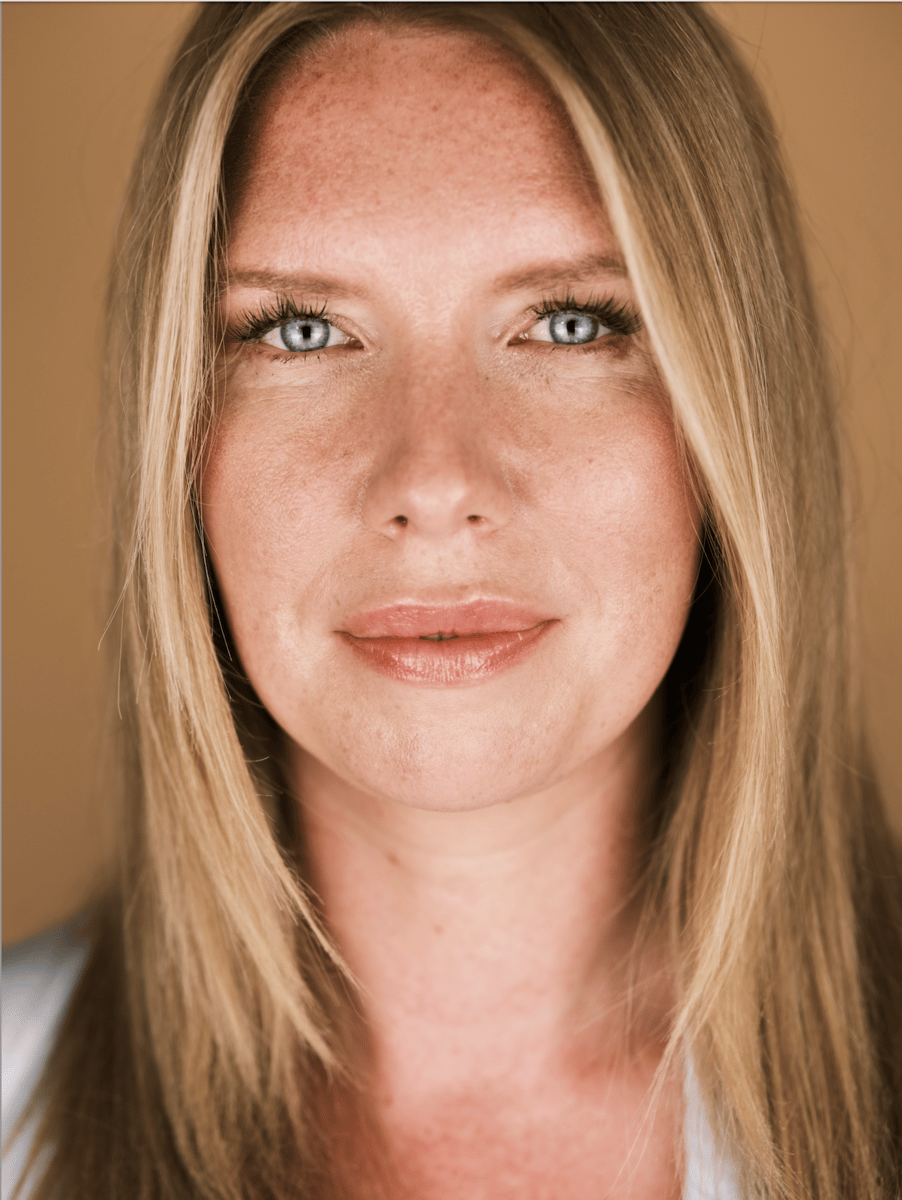

Brett Westervelt is the first head of Edits, Meta Platforms’ video editing app, Scalable is first to report.
Westervelt is a Meta veteran. He spent the past eight years at Instagram, most recently leading design. Before that, he was a product designer at Facebook for nearly four years.
The move comes amid a stronger push for original content for Instagram and as AI-generated content continues to flood people’s social feeds. For Meta, more original content from creators means more time spent on its apps and more opportunities for the company to serve ads.
During its fourth quarter earnings call, Meta said that the prevalence of original content on Instagram grew by ten percentage points over the previous quarter. Edits, which is connected to Instagram, has likely played a big role in that growth. Meta hasn’t shared how many people use Edits, but said that during the fourth quarter, 10% of the Reels people viewed each day were created with Edits, almost triple from the previous quarter.
Meta first announced Edits was coming in January 2025, on the same day that TikTok and its popular video-editing app CapCut shut down temporarily in the US. While TikTok quickly came back online, CapCut remained inaccessible for longer.
“We were hearing from a lot of creators that they were nervous about CapCut going away as well because it was such an essential part of their workflow,” Westervelt told us in an interview last week.
But Edits wasn’t “truly ready” in January to launch publicly, he said. Meta didn’t want to release a half-baked product, so pre-announcing the app was a compromise: It allowed the company to capitalize on the turmoil at TikTok and communicate to creators that it was developing an alternative.
Since launching in April 2025, Edits has released updates and new features nearly weekly. That includes storyboards for organizing projects and tools for creating custom fonts.
Some of the app’s early momentum has been helped by a “Made with Edits” tag that appears on videos on Instagram, helping spread awareness among creators, much like TikTok’s video watermark did in its early days.
But Edits is competing in a crowded market of editing tools and has a lot of catching up to do. CapCut remains hugely popular among creators, ranking first among top photo and video apps on Apple’s App Store on Tuesday, while Edits sits in eighth place. CapCut was also the No. 2 genAI mobile app as of January, while Edits was in 20th place, according to data from Similarweb, which is based on monthly active users.
Westervelt says Edits’ strategy to grow includes keeping the app simple to use, unlike competitors that feel like they squeezed their desktop editing software into a mobile app.
Another big edge is that Meta can offer features for free. This is the company’s long-standing playbook: Build an audience first, earn revenue later. While Meta makes most of its money from social ads across its apps, Edits is likely more suited to paid features for users.
Westervelt didn’t give us much detail into when or how Edits would monetize in the future. But he did use the opportunity to take a bit of a swipe at CapCut, which has put some of its basic features, like automatic captioning and specific fonts, behind paywalls.
“If you’ve used CapCut recently, it feels like around sort of every corner that you turn, you’re getting this pop-up to try to get you to subscribe and pay,” Westervelt said.
Another strategy Edits has been using to refine the app: Getting the help of creators. The team formed a WhatsApp group with some creators using Edits to get regular feedback. It also invited some creators to Meta’s office in Los Angeles to meet with staffers.
We spoke to one of them, RV Mendoza. Mendoza is a comedy and food creator with 243,000 Instagram followers and is part of Edits’ “Creator Council.” The full-time web developer has given Edits feedback on technical glitches and what features it should add next.
That direct line of communication with creators goes a long way. Mendoza used to primarily use CapCut for editing short videos, but has now switched entirely to Edits. “I provide feedback and they actually incorporate it,” Mendoza said. “They’re building up enough good will for you to be like, ‘Hey, bring your stuff to Edits’ because Instagram is actually caring about you as a creator.”
It’s a smart strategy. Creators have a lot of product insight that the Edits team wouldn’t necessarily think of.
💬 Reader Reactions
Our recent piece on a podcast reckoning hit a nerve!
In case you missed it, we argued that the shift to video is causing more podcasters to ditch their shows as it becomes harder to justify the cost and commitment. We also wrote that video could worsen the gender gap in podcasting as it adds another barrier to entry for women and minorities.
So many readers reached out with their takes on why more podcasters are hanging up their headphones or to share their own experiences with podcasting. Here are a few responses that stood out to us:
“Perhaps I’m Pollyanna, and it’s definitely early days, but I’ve been pleasantly surprised at the traction for my food podcast considering there is no celebrity attached.
I was also struck by the comment about how it used to be easy to book A-List stars. I think people are tired of hearing from the same celebs on the same promotional circuit, and I think there is lots of room for fresh voices, real reporting, and meatier content—like what you’re doing!”
“The shift to video really changes the economics and raises entry barriers in ways that aren’t always obvious at first. Curious whether this opens space for more intentional audio-first strategies as a counterbalance.”
“Maybe the real story here is burnout. Podcasting isn’t one job anymore, it’s five … A lot of these creators have been at it for 5, 10+ years while the goal posts kept moving. First audio, then video, now clips, Shorts, repurposing, SEO show notes, etc. That wears you down in a way that isn’t just money related.”
“I think the shift has already happened, but we are just starting to feel its effects … It’s harder than ever to launch and monetize a podcast; advertisers are increasingly focusing on the top 10% of shows, not the next 2,000 or shows without proven conversion.
The bar has gone up on every side: production costs, advertiser expectations and what it takes to reach an audience and break through.”
The Round Up
Instagram is testing a previously confirmed subscription service called Instagram Plus in select countries. It’s currently trying out features such as the ability to see how many people have rewatched a Story and extending Stories for an additional 24 hours.
The offering seems similar to Snapchat+, which has become a meaningful growth driver for Snap. In January, the company said its direct revenue business including Snapchat+ has a $1 billion revenue run rate. Snap also recently launched creator subscriptions, betting that its users’ willingness to pay for premium features on the app will translate to paying for exclusive creator content. Subscription services have had a rockier history on other apps like Meta and X.
Bluesky, a decentralized social network, launched another app called Attie, which lets users build custom feeds using AI. For example, a user can generate a feed of content related to electronic music from people they follow by writing a prompt like they do in ChatGPT.
CNN organized a series of internal workshops where creators shared with the company’s senior executives how to build loyal audiences on YouTube and TikTok, the media newsletter Status reported. The move comes as CNN has been experimenting with more casual video formats online and on air, including anchor Jake Tapper filming from his office rather than his studio.
Beehiiv, the newsletter publisher, is preparing to launch podcasting tools, Semafor reported. Scalable readers and listeners heard it first—and so did attendees of Jasmine’s fireside chat with Beehiiv CEO Tyler Denk at SXSW earlier this month, where he broke the news.
Deals, Deals, Deals
Irenic Capital Management, an activist investor, has built up a position in Snap and is advocating for changes, including spinning off or shutting its AR glasses business, Bloomberg reported. “We’ve taken steps to improve performance, strengthen free cash flow, and offset dilution, and will continue to evaluate actions that drive long-term value for all stockholders,” a Snap spokesperson said in a statement.
Versant, the newly created parent company of CNBC and MS NOW, is among a group of suitors in discussions to buy Vox Media’s podcast network, the New York Times reported. A few days earlier, Semafor reported that Vox Media told some potential investors the podcast network wasn’t for sale. We reached out to Vox Media about the conflicting reports, but the company declined to comment.
Bent Pixels, a gaming and entertainment network, acquired Snapchat-focused publisher and content syndication company Sunny State Agency in a more than $23 million deal.
TikTok launched a partnership with Cameo in the US so that creators can offer personalized Cameo videos directly on the TikTok app.
Regulatory Woes
Elizabeth Warren, the Democratic Senator from Massachusetts, has questioned the world’s largest YouTuber MrBeast about his company’s plans to expand into financial services and potentially market cryptocurrency to minors. In February, Beast Industries bought Step, a fintech app aimed at teens, not long after filing a trademark for “Beast Financial,” which mentions cryptocurrency. Potential regulatory hurdles add to the list of challenges creators face as they seek to expand their businesses.
Snap is being investigated by EU regulators over child safety issues, including whether its age verification systems are strong enough. It’s part of a broader crackdown by regulators around the world into child safety on social media. A Snap spokesperson said it’s cooperating with investigators and that its teams “have worked for years to raise the bar on safety.”
Braden Peters, a controversial creator known as “Clavicular” who rose to fame for advocating for “looksmaxxing,” was arrested in Florida on a battery charge.
Talent Tracker
X has let go of its chief marketing officer and some non-technical staff, the Wall Street Journal reported. Separately, Benji Taylor joined X to lead design. Most recently, he was head of design at Coinbase’s Base. The shakeup comes as parent company SpaceX is reportedly gearing up for an IPO and as X has been pushing into payments.
Monika Bickert, the long-time content policy chief of Meta, will leave the company in August for a role at Harvard Law School. Bickert oversaw Meta’s content policies and played a role in its approach to user safety. Meta was found liable last week for knowingly designing its products to be addictive and for misleading consumers about the safety of its platforms.
Vik Gupta is joining Pinterest as its first vice president and general manager of monetization, while Sumanth Jagganath will be the new vice president of measurement. Pinterest has been trying to reposition itself to advertisers as it looks to grow its business and expand social media ads.
Dude Perfect is hiring a vice president of marketing. That follows the recent hiring of its first chief content officer Kevin Sabbe. See our previous reporting and timeline of how creators are building out their corporate teams here.
UTA named 35 partners across nearly two dozen departments, including creators, sports, publishing and business affairs.
