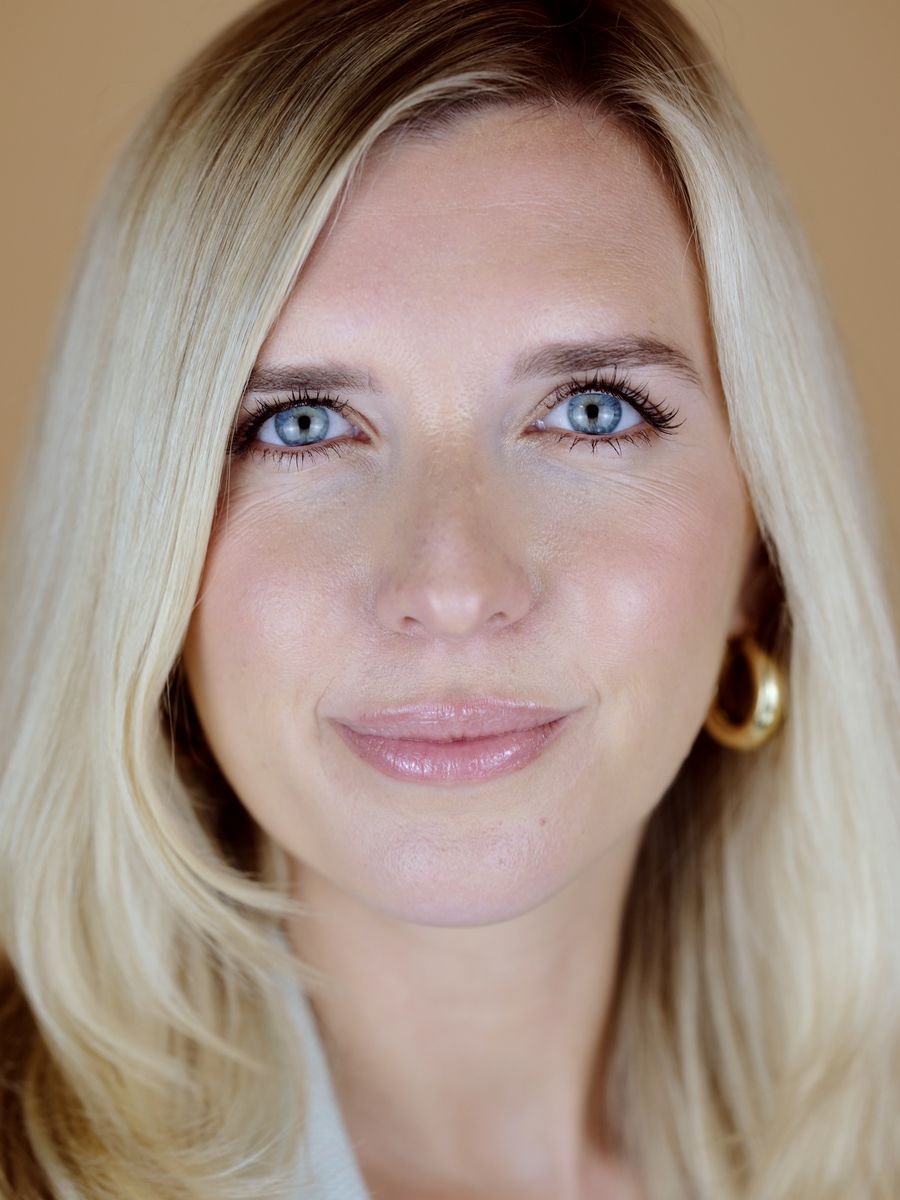
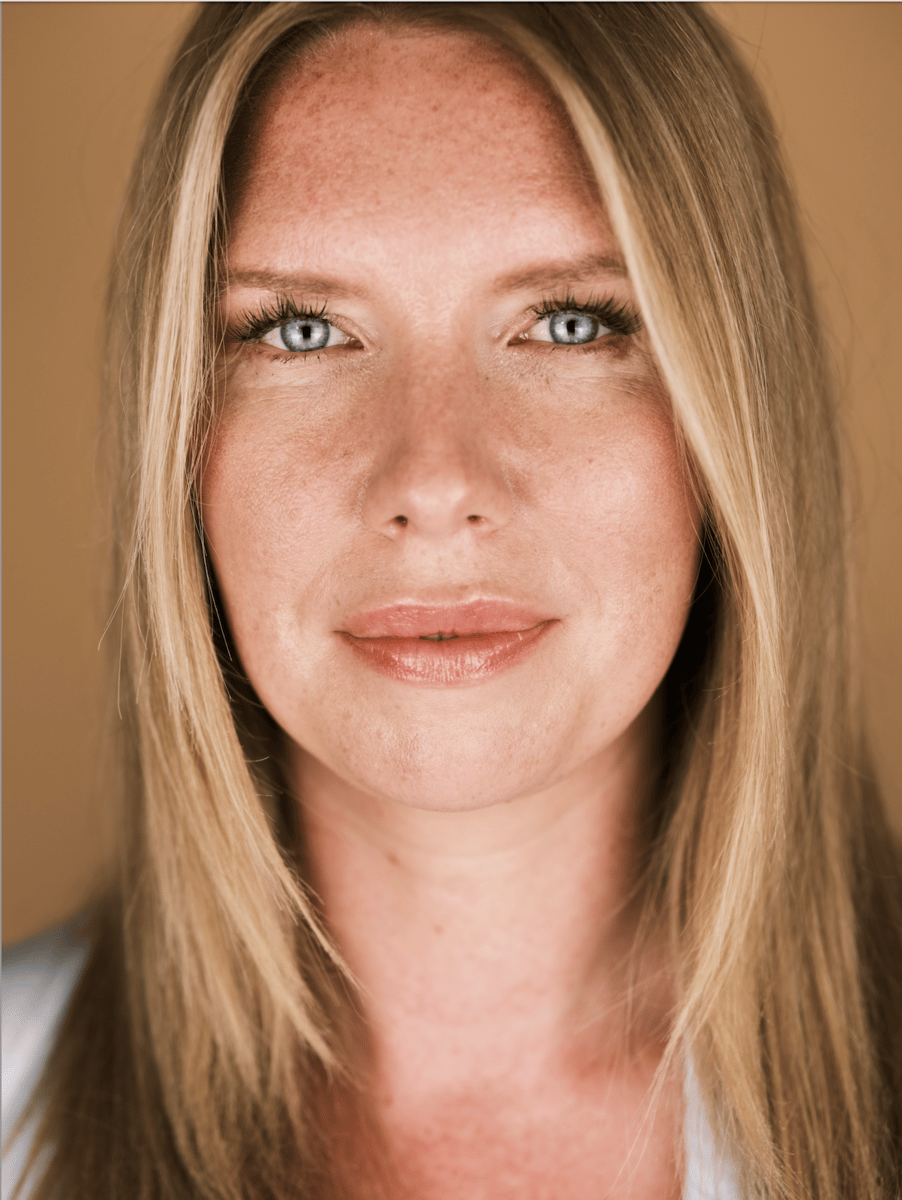

Cherie and Jean Luo have spent the past year and a half living and breathing their podcast “Tiger Sisters.” That’s not just a figure of speech: The real-life sisters are roommates as well as co-hosts.
The duo, who graduated from Ivy League schools and previously worked at companies including Snap, Goldman Sachs and LinkedIn, moved in together after Cherie graduated from business school in 2024. After seeing the success Cherie was having with short-form video on social media, Jean decided to quit her 15-year corporate career so they could start “Tiger Sisters.”
“We say that we are late-night sister talk meets work strategy,” Cherie said during a live recording of Scalable at SXSW on Friday night. “We talk about money, power, and love—so everything that’s important in life.”
In September, “Tiger Sisters” became Spotify’s No. 1 business podcast and the third most popular podcast overall in the US with 1 million streams and downloads. In an Instagram Reel announcing the news, the sisters took a lighthearted jab at the “tech bros” who generally dominate podcasting charts while lipsyncing to Taylor Swift’s “I Forgot That You Existed.”
Like some early tech bros, however, the Tiger Sisters built their show from the ground up. They taped their first episode at their kitchen table with “really bad equipment.” But they believed in their content and wanted to “put something out there.”
Now, the Luos told us they continue to approach their podcast like a tech startup, a strategy they likely picked up from their previous jobs. That includes experimenting with content and formats, and iterating on their show based on comments from listeners and features like polls on Spotify.
An example: They describe their early episodes as more “educational” and “business-heavy” with titles like “Everything We Learned at Harvard Business School in 29 Minutes.” But they broadened the scope once they realized that other topics, including love and relationships, were resonating more. A recent episode is titled “How to Use AI to Become Healthier, Hotter and Happier.”
“We’re very, very vulnerable about the mistakes that we’ve made. Not just in our career, but also in our love lives and our personal relationships,” Jean said.
Their corporate backgrounds have also likely helped with securing podcast guests. The sisters told us they haven’t done any outreach and that all of their guests, which range from a former NSA director to Dude Perfect CEO Andrew Yaffe have all been friends or friends of friends. “It’s actually helped us realize how diverse and wide our networks are,” Cherie said. (We want to know who in their orbit is friends with the ex-NSA director!)

Kaya and Jasmine interview Cherie and Jean Luo during a live episode of Scalable at SXSW.
The Luos also told us they didn’t bring on brands for the first year because they wanted to prove they had—to borrow a tech startup term—“product-market fit.” In other words, they wanted to make sure they had an avid audience before they started monetizing. This is something we still hear executives like Meta CEO Mark Zuckerberg say when the company launches new products or features.
The tech influence is also apparent in the Tiger Sisters’ goals for their podcast: “Our mission is to empower and improve the lives of one billion people,” Cherie said, adding that they used to be embarrassed to say it out loud because it sounded “so lofty.” One billion users is a milestone tech founders, especially from social media companies, strive for.
It is lofty, but we’re cheering them on—and taking notes.
Podcasting Takes Over SXSW
This year’s SXSW felt more disparate and diverse than ever. AI was a running theme throughout the conference, but many of the conversations we heard centered on other topics, from influencer marketing and social media regulation to the convergence of creators with Hollywood.
That speaks to the breadth of the conference, which this year attracted a wide range of voices and companies, from traditional filmmakers like Steven Spielberg and politicians like Gavin Newsom to tech firms such as Spotify and YouTube and electric car maker Rivian. Increasingly, SXSW is also including podcasters.
There were at least 20 official sessions dedicated to podcasting, including live shows from big names like Kara Swisher, Scott Galloway, Brené Brown and Esther Perel. Their presence is symbolic of how podcasts have cemented themselves in the entertainment and tech industries.
We also learned that Beehiiv is going deeper into podcasting. CEO Tyler Denk broke the news on stage with Jasmine, saying that the company would soon start supporting audio podcasts, as well as launching paywalled video and community features. “Creators and publishers don’t want to have a website platform, a newsletter platform and a podcast platform. We think we can win by consolidating,” he said. (Beehiiv is Scalable’s newsletter publisher.)
Elsewhere at the conference, TikTok and iHeartMedia launched a dedicated TikTok Radio station featuring trending music from the app with commentary from creators and iHeartMedia personalities. The companies also unveiled the first slate of shows from the new TikTok podcast network, hosted by creators including LeLe Pons and Caroline Vazzana.
One creator duo you won’t see a podcast from, however, is Rhett and Link, who took the stage with Kaya and Agentio CEO Arthur Leopold. The long-time YouTubers shut down their podcast “Ear Biscuits” in part because it was too similar to their main show on Youtube, which recently hit 3,000 episodes. This isn’t the first time we’ve heard a creator abandon their podcasting efforts—and it won’t be the last.
Don’t Call Creators Journalists
That’s essentially what podcaster Jake Shane told Rolling Stone in a recent interview. Why? The podcaster said he doesn’t ask tough questions to his guests, which have included Hilary Duff and Kerry Washington. Shane also said he will “always” edit out parts of a conversation when asked.
“I think it is insulting to journalists to say what I do is journalism … I’m not a journalist. I didn’t go to school for journalism. ”
Shane isn’t the only one. On stage with Jasmine at SXSW, Julian Shapiro-Barnum, host of “Recess Therapy,” explained that there is a silent handshake between him and the celebrity guests on his show. They know he won’t ask them the type of hard questions a traditional journalist would.
Shapiro-Barnum and Shane are focused on comedy, rather than hard news. Their guests are also more Hollywood than Washington, D.C. But as more politicians and government officials choose to speak to creators and podcasters instead of traditional reporters, it raises serious questions about accountability. We need people asking tough questions.
It also suggests that creators have realized the responsibility—and risk—that comes with being a reporter. Still, we were surprised to hear it put so bluntly.
The Round Up
Meta Platforms is considering laying off up to 20% of its staff to offset its hefty AI spending, according to Reuters. Meta expects to spend between $115 billion to $135 billion this year on AI, which is roughly 58% to 68% of the amount of revenue it generated, primarily from ads, in 2025. A Meta spokesperson called the report “speculative.”
The Trump Administration will receive a $10 billion fee paid by new investors in the new US TikTok for the US government’s role in helping bring about the deal, the New York Times reported.
ByteDance, TikTok’s parent company, is holding off on a global launch of its latest AI video model Seedance 2.0 because of copyright disputes with Hollywood studios and streaming platforms, The Information reported.
Picsart, a design and editing software, is launching an AI agent marketplace allowing creators to tap AI assistants for specific tasks, such as editing product photos on Shopify or resizing content for social media apps.
The Oscars took jabs at the creator economy. Host Conan O’Brien called YouTube “the future” of the award show before being interrupted by a fake ad featuring actor Jane Lynch promoting a flashlight that “killed Osama Bin Laden.” This comes as YouTube is trying to convince advertisers that it’s the new TV and speaks directly to their concerns about ad load, quality and adjacency to unsavory content. YouTube has nabbed the rights to air the Oscars starting in 2029.
Find out how YouTube pitches itself to TV advertisers in our recent interview with Brian Albert, Managing Director of YouTube media partnerships and creative works.
Regulatory Woes
A verdict in the landmark social media addiction trial against Meta and YouTube in Los Angeles is expected this week. The decision over whether social media companies should be held liable for harms caused to youth on their platforms could set a precedent for how similar cases play out.
In this week’s episode of Scalable, we sit down with California Attorney General Rob Bonta, who was instrumental in bringing these companies to court. “As California goes, so goes the nation,” Bonta told us.
We also got his views on AI, the Paramount-Warner Bros. merger—and, of course, creators. Tune into the full episode, publishing on Thursday anywhere you get your podcasts.

Rob Bonta, the attorney general of California, sits down with Kaya and Jasmine in Austin.
Creator Moves
Theo Von, a podcaster, and actor David Spade will star in a self-funded, independent film called “Busboys” premiering in Cinemark and Regal theaters on April 17. “No traditional studio, no distribution company, just us,” wrote Reed Duchscher, CEO of talent management firm Night, which works with Von. The “Busboys” premiere follows the box office success of YouTuber Markiplier’s movie “Iron Lung,” which he also self-funded and starred in. Still, Markiplier’s success doesn’t guarantee the same for other creator-led films.
Keith Lee, a Dallas-based food creator, will launch a new weekly video podcast with Vox Media about how he and his family works together. Brené Brown and Adam Grant also announced they’ll co-host a new video podcast with Vox Media called “The Curiosity Shop.” The two academics and authors are promising to “explore some of the defining questions of our time” through the new show.
Haley Baylee, a former scientist turned model and creator, will host a new Netflix reality shopping series called “Win The Mall” this fall.
Podcasts from “tech bros” are increasingly shaping which startups get funded, as well as broader beliefs in Silicon Valley, the San Francisco Standard reported. The high-profile success of many podcasts like TBPN have lured copycats, who see it as a way to get access and capital. “People see these success stories and think, ‘Maybe I can make this work for myself,’” Kaya told the SF publication. “During the pandemic it was, ‘every VC has a podcast.’ Now we’re in another big wave.”
Talent Tracker
Julia Hartz stepped down as CEO of Eventbrite, the event website she co-founded in 2008. The company, which has increasingly been used by creators for their ticketed events, sold to Bending Spoons for $500 million in December.
Kim Farrell is now the global marketing director at Nu, a Brazilian neobank. Most recently, she was the global head of creators at TikTok.
Adam Mosseri, head of Instagram, will be speaking at Cannes Lions this year, alongside major CMOs from Snap, Klarna, e.l.f beauty and more. Read more about what to expect from the advertising festival here.
