
Creators have long wanted a seat at the table. Now, more of them are getting one.
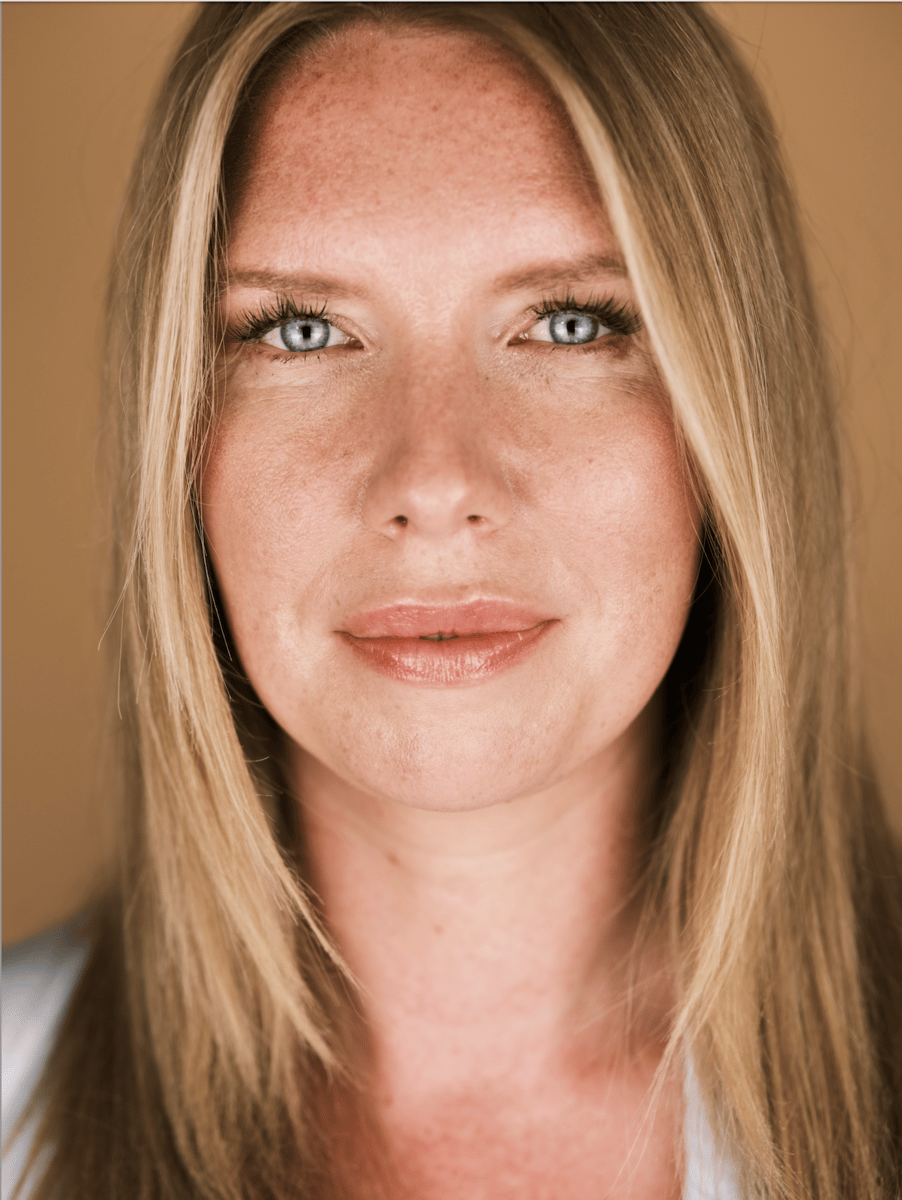
Cat Goetze, better known as CatGPT, is the latest example. Last month, she took an equity stake in Smooth Media and became a strategic advisor. That makes Goetze the first outside shareholder in the bootstrapped creator management company, which also represents her.
Goetze, who has amassed nearly 900,000 Instagram followers for her content about AI, told us that having equity in companies has been a priority for her lately and that Smooth was an “obvious” partner because of their existing business relationship. She also felt like she had “a lot to offer,” including lessons from building her own business, that Smooth could apply across its roster of creators.
Goetze isn’t the only creator thinking this way. In 2024, Alix Earle took an equity stake in beverage brand Poppi, which sold to PepsiCo for nearly $2 billion last year. Since then, Earle has invested in other companies, including energy drink Gorgie, supplement maker Cymbiotika and alcoholic beverage brand SipMargs.
And it’s not just well-known creators getting these deals: Startups, such as Gen Z dating app Vybes and social shopping app Driptail, are also giving equity to creators with smaller followings. “Equity deals are a filtering mechanism to weed out the transactional creators that are just getting involved to make a quick buck,” Mark Weinberger, CEO and founder of Driptail, said.
In that sense, putting a creator on the cap table is the next level of influencer marketing. As spending and competition continue to rise, more brands are looking to reduce some of their upfront costs and work more closely with a select group of creators.
Under the terms of Goetze’s deal with Smooth, for example, Goetze will advise the company on its core business, new services and branding. The existing relationship, in which Smooth takes a cut of deals it brings to Goetze, will remain the same.
“Having somebody on the creator side give us feedback, keep us honest, give us ideas…it’s one of the few high-leverage things we can do as a business,” Josh Kaplan, Smooth’s CEO and co-founder, told us.
Plus, having a stake in a company generally makes creators more invested, literally and figuratively, in a brand’s success.
Goetze, for example, said she may have previously hesitated to refer friends to Smooth, worried managers’ attention would be split. Now, “I’m incentivized to make that introduction because it will help them grow their portfolio of creators and therefore scale the company,” she said.
For creators, it’s also about ownership. More of them are thinking about how to build sustainable businesses that aren’t reliant solely on social platforms and brand deals.
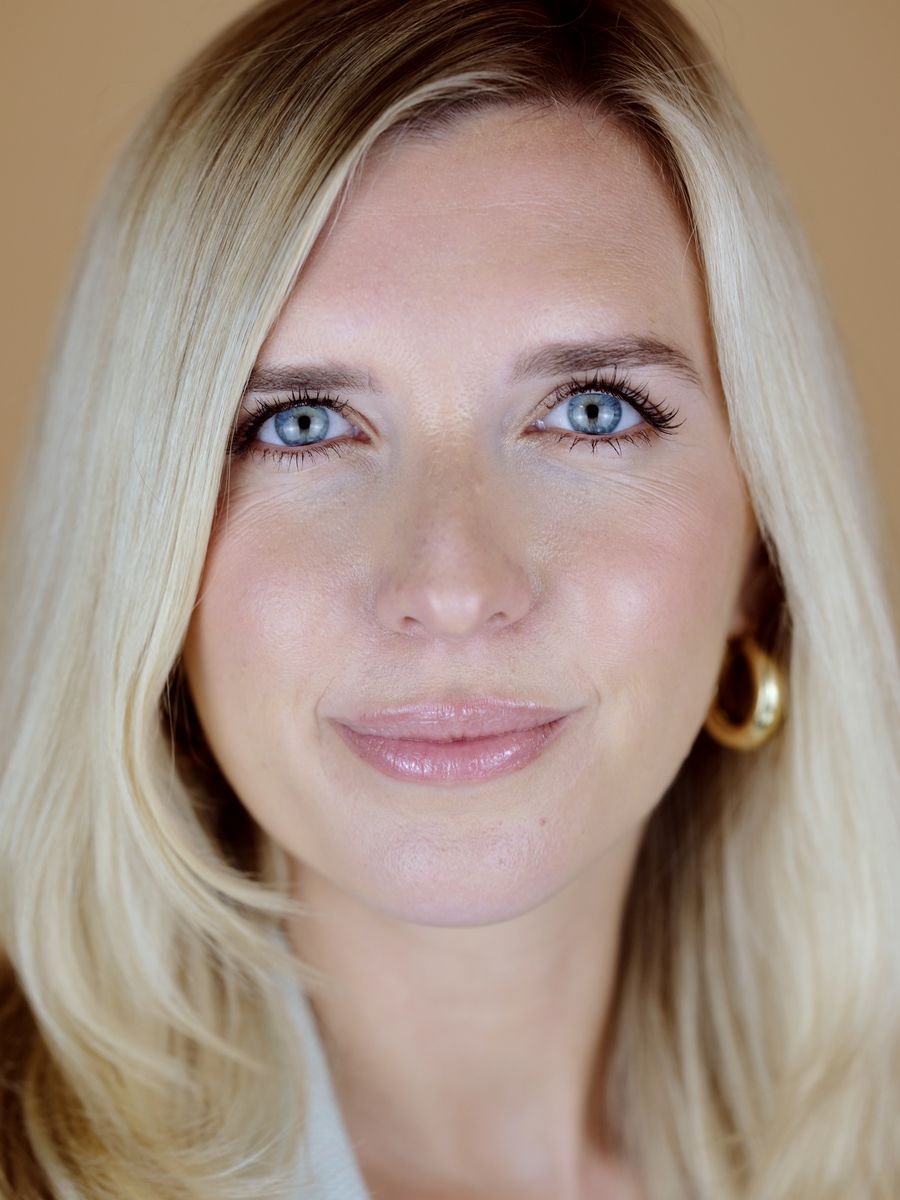
“So much of being a creator can feel very transactional,” Maddy Gustini, one of the creators who received an equity stake in shopping app Driptail, said. “I really liked the idea of putting my time and my audience and expertise into something where I could actually have ownership and participate in that long-term upside.”
Zooming out, the rise of creator-equity deals is also part of a larger trend of creators becoming angel investors or even launching their own venture capital firms. That includes Caspar Lee’s Creator Ventures, Jake and Logan Paul’s Anti-Fund and Steven Bartlett’s Flight Fund.
The economics of these deals can also vary. In agreements like Goetze’s or Gustini’s, creators are generally getting equity in exchange for endorsement, advisory or other services, rather than investing their own cash. The percentages can differ depending on factors like the stage of the company and how involved the creator will be. In some cases, creators are being paid in both equity and cash.
And it’s not an exact science: “It's not, hey, can you do X number of posts or can you do Y number of consulting hours?”, Kaplan said of the deal with Goetze.
Still, the approach has potential pitfalls. For one, creators may never see any money from their equity stakes. Even when startups have an exit, the majority return less than what investors put in, according to PitchBook. And only about 1% of seed-funded startups reach valuations of $1 billion or more, per CB Insights.
There are also reputational risks for both brands and creators. Some celebrities, including Tom Brady, were reportedly paid in equity by FTX before the crypto firm collapsed in 2022. They, along with YouTubers who promoted FTX, were later sued for their involvement, though a judge tossed most of the claims. Meanwhile, if a creator lands in hot water, it’s harder for a brand to cut ties when that creator is on its cap table.
Most importantly, there are only so many equity deals a brand can—or should—offer, and only so many a creator can realistically take on. Earle, for example, has said she expects to invest in roughly five or six brands whose products she uses regularly.
Or, as Gustini put it: “I don’t want to just have equity in 20 random companies where I’m basically just a spokesperson. I’d rather have meaningful ownership in a small number of businesses where I can actually be involved and say, ‘I helped build this.’”
We dive deeper into the rise of creator-equity deals on Thursday’s episode of Scalable, which includes our full conversation with Kaplan and Goetze. CatGPT also gives her take on recent warnings from AI leaders that the pace of development needs to slow down and how she vets which AI companies to work with.
🛍️Upcoming Event
Come shop with us! We’re so excited to host an event with Alice + Olivia at its Beverly Hills store on Sunday, October 11 from 3 to 6 pm.
Bring a friend, or get a gift for your sister or spouse, and enjoy a 10% discount. An additional 10% of net proceeds will go to the Colorectal Cancer Alliance.
RSVP at: [email protected]
The Round Up
Instagram announced an AI video assistant for its Edits app, which it says is designed to provide personalized feedback to creators based on their Instagram account and audience.
Meta expanded its school partnerships program on Instagram. New features include giving verified US high schools a school hub with a directory of clubs, teams and channels so administrators can share updates for parents. The program now includes nearly 17,000 schools.
WME launched Creator Labs, a new operations team focused on supporting and scaling the media businesses of talent, creators and brands. The move comes as Hollywood talent agencies move deeper into the creator economy, including with dedicated creator divisions.
Live Nation is backing a new startup called Creator Nation, which will help creators with content, commerce, brand partnerships and live events. Creator Nation, co-founded by creator economy vets Alexis and Scott Fisher, also plans to acquire and grow management firms and adjacent businesses. Read more about why live events are becoming a bigger priority for creators here.
Linktree, the link-in-bio startup, added messaging so creators can connect directly with audiences. It also announced new tools for YouTubers, such as automatically keeping videos updated on their Linktree pages.
📊 By the Numbers: 26 million
That’s how many Americans earned money from creating content on TikTok in the last year, according to a new economic impact report from the TikTok USDS Joint Venture and PF Global.
The report also found that a staggering number (74%) of “professional” creators aren’t full-time, providing more support that content creation remains mostly a side gig. (“Professional” was defined as creators who post on TikTok with the goal of making money.)
Zooming out, the purpose of the report is for TikTok to demonstrate the value it provides to the US economy. Overall, TikTok and PF Global estimated that the platform helped generate $81 billion in US GDP in 2025 and supported over 410,000 jobs.
For TikTok, the argument may be less pressing than it was a year ago when it was still fighting to remain in the US, but it comes on the heels of economic impact reports from other social giants. In July, for example, we reported on YouTube’s findings: The company said its “creative ecosystem” contributed over $60 billion to US GDP last year.
One problem with these reports is that the methodology can be squishy. It often includes broader effects, like spending at places that people visited after discovering them on TikTok. That can inflate the numbers and also makes these studies difficult to compare.
Even so, the report is still a step toward getting an answer to what is a seemingly simple question: How many creators are there?
Platforms generally haven’t been forthcoming about the total number of creators on their apps. The creator economy also still doesn’t have reliable, independent research that gives an accurate number of creators in the US, let alone in the world. (We’ve long argued for a US Census-style report!)
Creator Moves
CNN and Jubilee Media, a YouTube-focused digital media company, are partnering to host a live town hall event with Texas state representative James Talarico on October 14 from Dallas.
Guy Raz acquired the ownership rights to his entrepreneurship podcast “How I Built This” from NPR. Now, he’s partnering with Vox Media to expand the franchise to video, new distribution formats, live events and more.
Claire Parker and Ashley Hamilton, hosts of the “Good Noticings” podcast, signed with WME, which plans to help them expand across scripted and unscripted TV, touring, literary projects and brand partnerships.
Court Docket
A.J. Gentile, host of “The Why Files” podcast, filed a complaint in California alleging that his former management firm Night violated the Talent Agencies Act by acting as a de facto agency. At stake is $743,988 in commissions for one year, Page Six Hollywood reported. Night didn’t immediately respond to a request for comment from Scalable.
ICYMI: We covered the state of creator management in Tuesday’s newsletter, and why some creators are opting to represent themselves.
🐝 Brand Buzz
🍳The American Egg Board named Edelman its first creator agency of record to develop its creator strategy. The goal is to create new demand for a product that’s already in nearly every American household, per Edelman’s chief creator officer Kenny Gold.
We can’t help being reminded of the “Got Milk?” campaign from the 90’s which featured celebrities from Britney Spears to David Beckham posing with milk mustaches in magazine spreads. The goal was to encourage more dairy consumption commissioned by the California Milk Processor Board.
Talent Tracker
Netflix is looking for an executive to lead its podcasting efforts, according to The Ankler. The job is not formally posted.
Chanel Simmons was named managing director of the US at Motion Society, a company that works with about 650 creators and distributes more than 30,000 videos on streaming and digital platforms every month. Most recently, Simmons led digital culture content partnerships at Spotify.
Rebel Audio, a podcast hosting and production platform, hired Randeep Bhatia as chief technology officer, Patrice Choghi as chief operating officer and Prabh Guhman as principal tech lead.
Marisa Feld joined Starbucks as senior manager of cultural trends and insights. Previously, she spent more than four years at TikTok as a brand partnerships manager. (TikTok worked with Starbucks on a program to turn its baristas into creators. Read more about that and the rise of employee-creators here.)
